

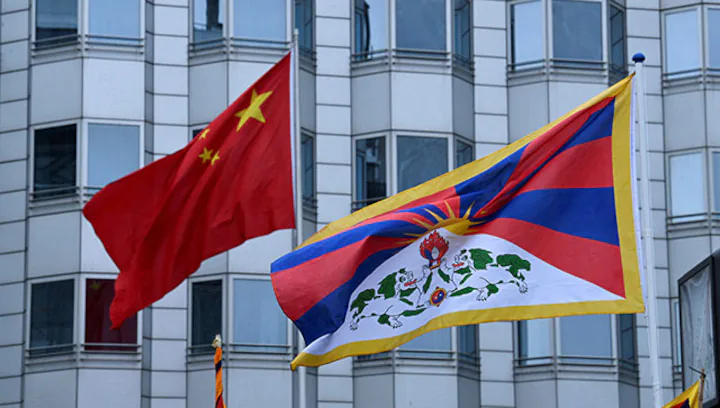

Human rights advocates have stressed the need for solidarity and measures to ensure accountability for human rights violations in Xinjiang and Tibet, requiring urgent international attention and action.
The situation in Xinjiang and Tibet is seen as a humanitarian crisis, and human rights activists have emphasised the need for support for independent investigations for human rights violations.
United Nations bodies, including the Human Rights Council, have repeatedly raised concerns and called on China to allow independent observers access to Xinjiang to investigate allegations of human rights violations.
Governments and parliaments of various countries, including Canada and the United States, have made statements and passed resolutions condemning China’s actions in Xinjiang and Tibet.
These actions underscore international concern and solidarity with affected communities. In 2009, the Canadian Parliament had also passed a non-binding motion declaring China’s actions against Uyghurs in Xinjiang as genocide.
Recently, in a groundbreaking ruling, the Court of the Citizens of the World (CCW) delivered a verdict against China for its alleged perpetration of genocide and crimes against humanity in Xinjiang (East Turkistan) and Tibet.
The tribunal, convened in the Hague, Netherlands, from July 8 to 12, marked a significant moment in international justice as it addressed accusations of systematic atrocities committed by Beijing.
