

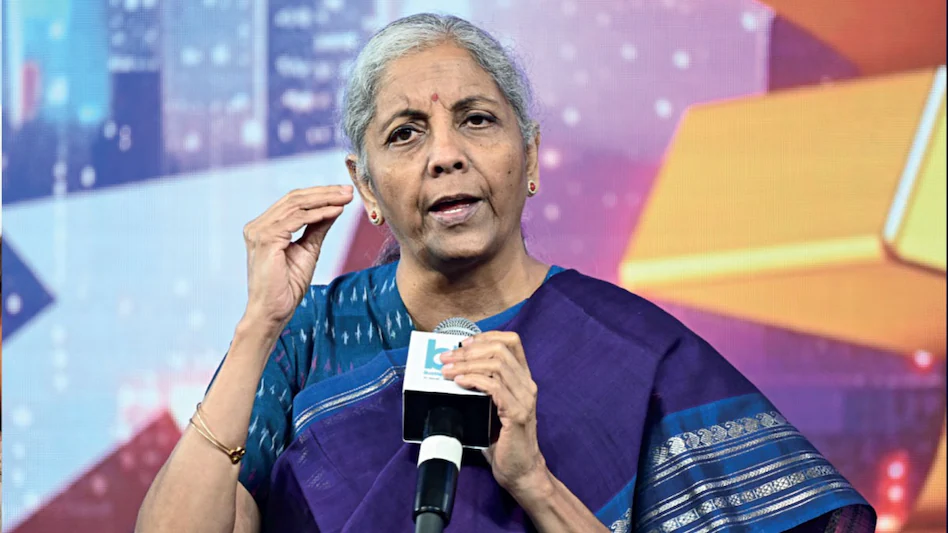

New Delhi: India and the United States have reached a difficult stage in negotiations over a proposed trade agreement, with Finance Minister Nirmala Sitharaman saying that both sides appear to have reached a “plateau” where further concessions could be very difficult.
Speaking at the Munich Leaders Meeting in New Delhi on Monday, Sitharaman said negotiations were still continuing and described the proposed agreement as a hard and vigorously negotiated one. She indicated that while there may still be some room for compromise, both countries have already moved considerably in the discussions.
“The negotiations are still ongoing although we’d like to believe that both sides have reached a plateau beyond which giving or taking might be very, very difficult,” Sitharaman said. She added that if there were areas where both sides could still find room to negotiate, they would continue working towards an agreement.
India and the US have been negotiating a trade agreement since February 2025, with the broader objective of expanding economic ties, improving market access and addressing long-standing trade concerns between the two countries. The negotiations have involved discussions on tariffs, market access and other trade-related issues.
A major issue in the negotiations is the trade imbalance between the two countries. Sitharaman said the balance of trade currently favours India, meaning the United States runs a trade deficit with India. Washington has been seeking measures to reduce that imbalance as part of the negotiations.
The finance minister also raised concerns about the growing use of tariffs in international trade. She said tariffs were traditionally used as a negotiating instrument, allowing countries to discuss market access and reciprocal concessions. In the current global environment, however, she said tariffs are increasingly being used as a tool to put pressure on trading partners.
Sitharaman stressed that trade imbalances should ideally be addressed through negotiations, with countries discussing market access and reciprocal concessions rather than relying solely on tariff measures. She referred to India’s trade deficit with China while explaining why New Delhi favours dialogue and negotiation in dealing with trade imbalances.
Her remarks come after US Trade Representative Jamieson Greer said last week that a trade agreement with India was not imminent following his meeting with Commerce and Industry Minister Piyush Goyal in the United States. Goyal has said both sides remain engaged in discussions aimed at reaching a mutually beneficial interim agreement.
Despite the latest difficulties, the negotiations remain open. Sitharaman’s comments suggest that both sides are still looking for areas where additional flexibility may be possible, although the scope for further concessions appears limited after months of intensive discussions.
The outcome of the talks is being closely watched by businesses and exporters in both countries, as any agreement could influence tariffs, market access and the broader economic relationship between India and the United States.
